
Every Child Can Learn

Labedu develops and implements methodologies that are research-based, field-tested, and adapted to diverse contexts. We support education systems in implementing and monitoring continuous professional development for educators, ensuring ownership by key stakeholders and driving shifts in professional culture so that all children can reach their full learning potential.
Brazil has made significant strides in ensuring access to schooling. However, enrollment is not synonymous with learning. A significant number of children reach the fifth grade without having developed fundamental language and math skills—the building blocks for their entire educational journey. These learning gaps reflect the country’s racial and regional inequalities and originate even before formal schooling begins, in the everyday interactions between adults and children. Often, those who most need quality education are the ones who face the greatest obstacles in accessing it, both inside and outside the classroom.
Did you know?
37,2%
...of children in the public school system reach the age of 10 with adequate learning levels in Portuguese and mathematics in Brazil.
Source: Brazilian Basic Education Yearbook, 2025.
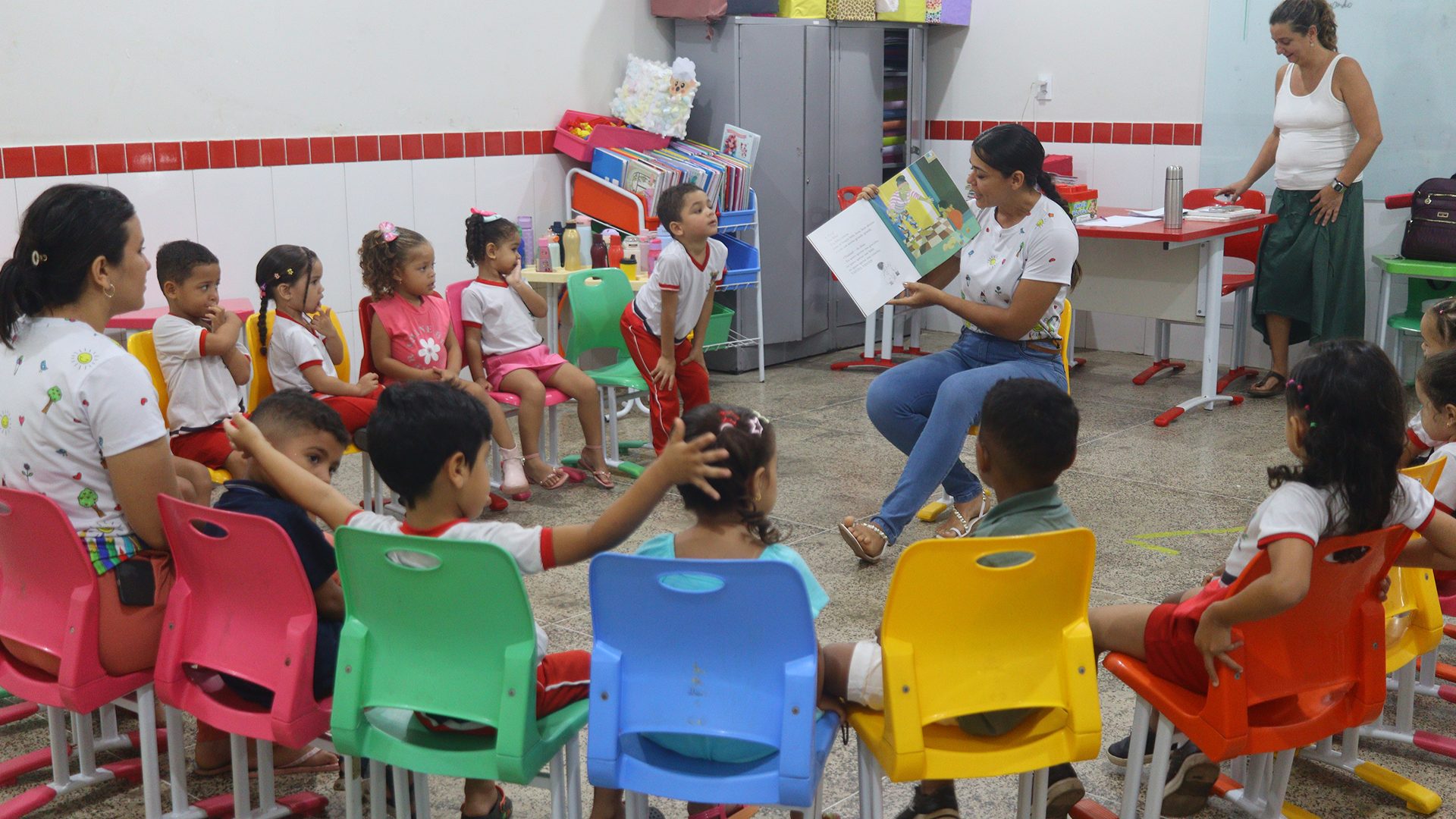
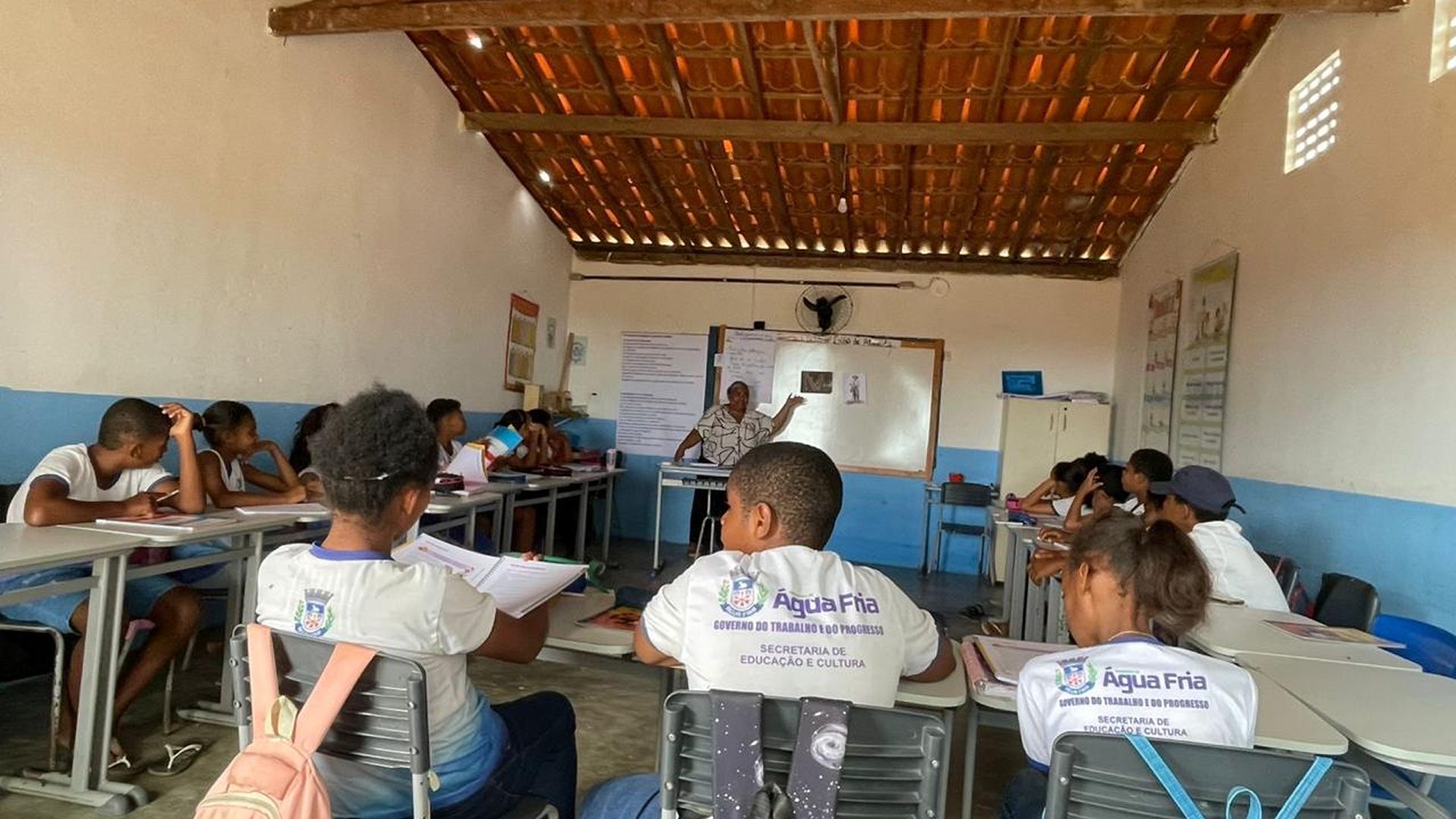
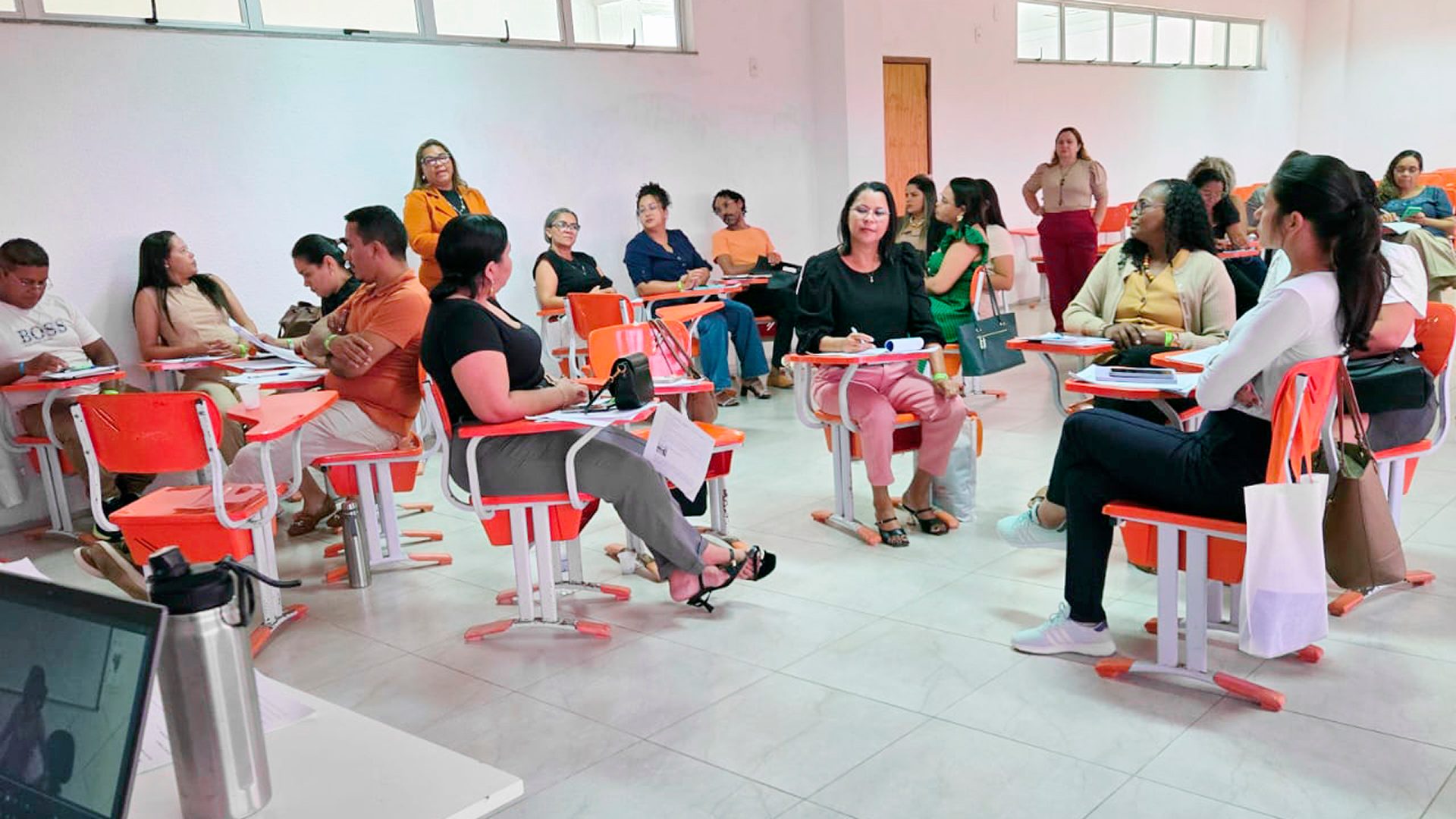
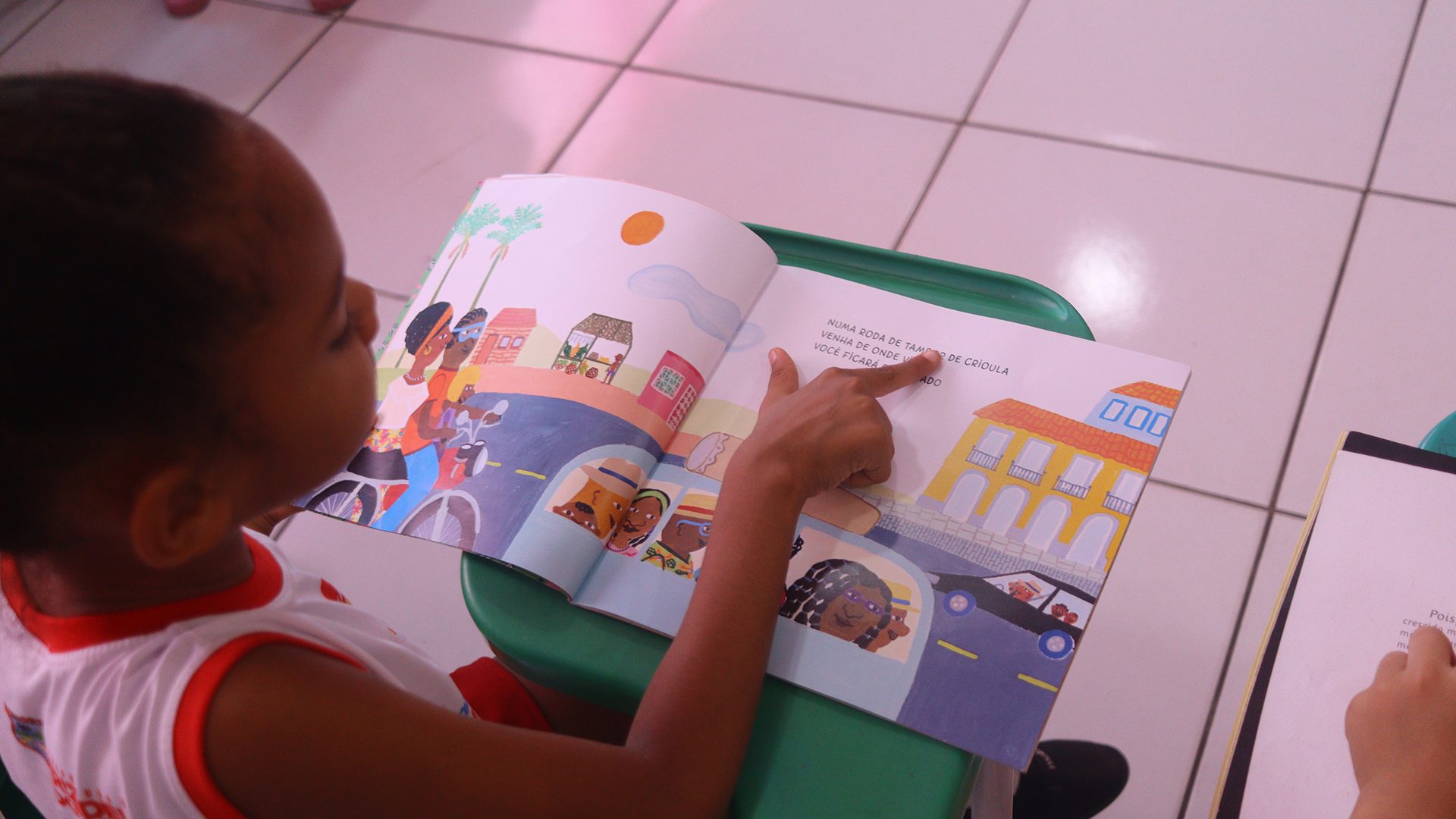
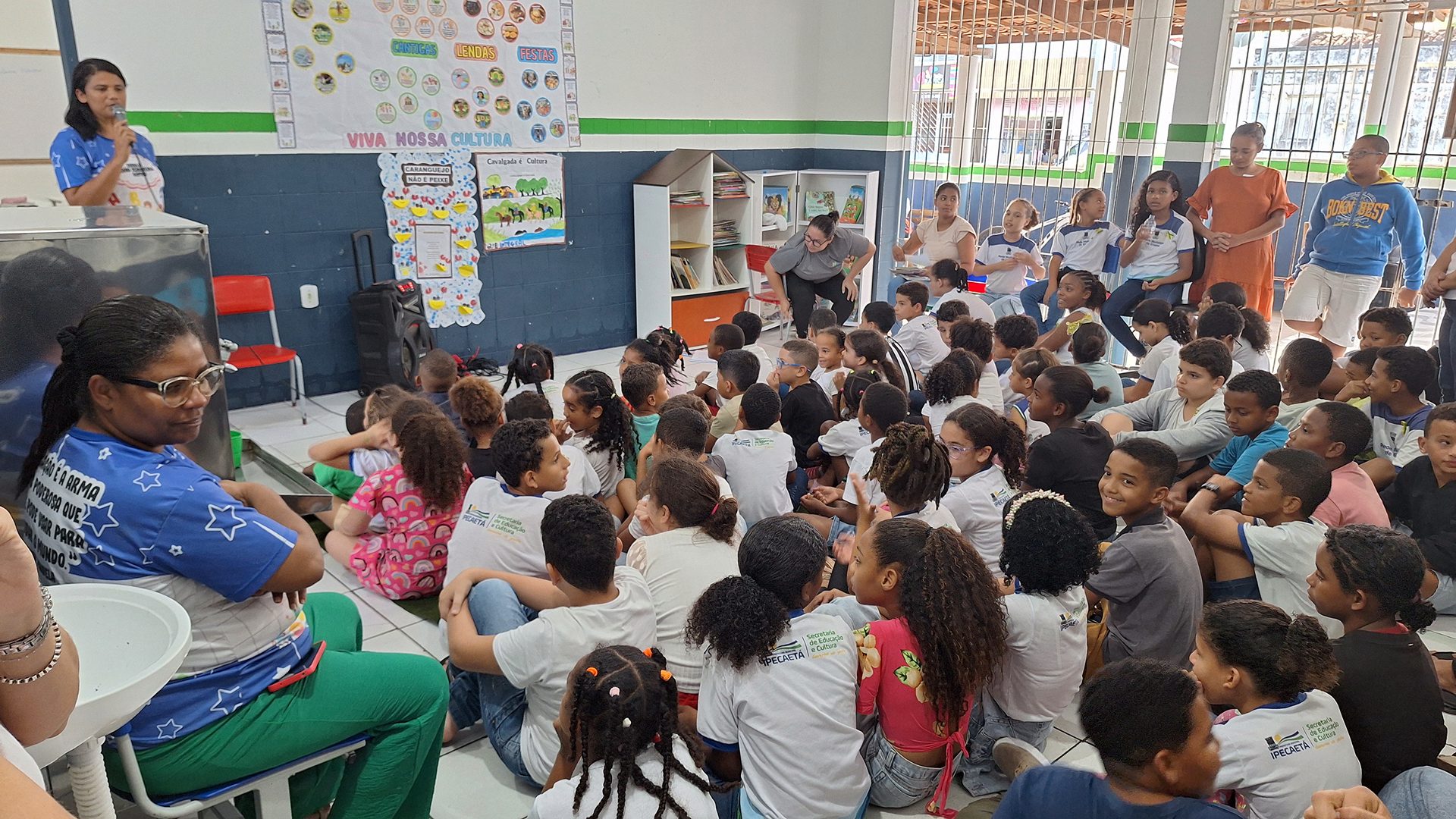
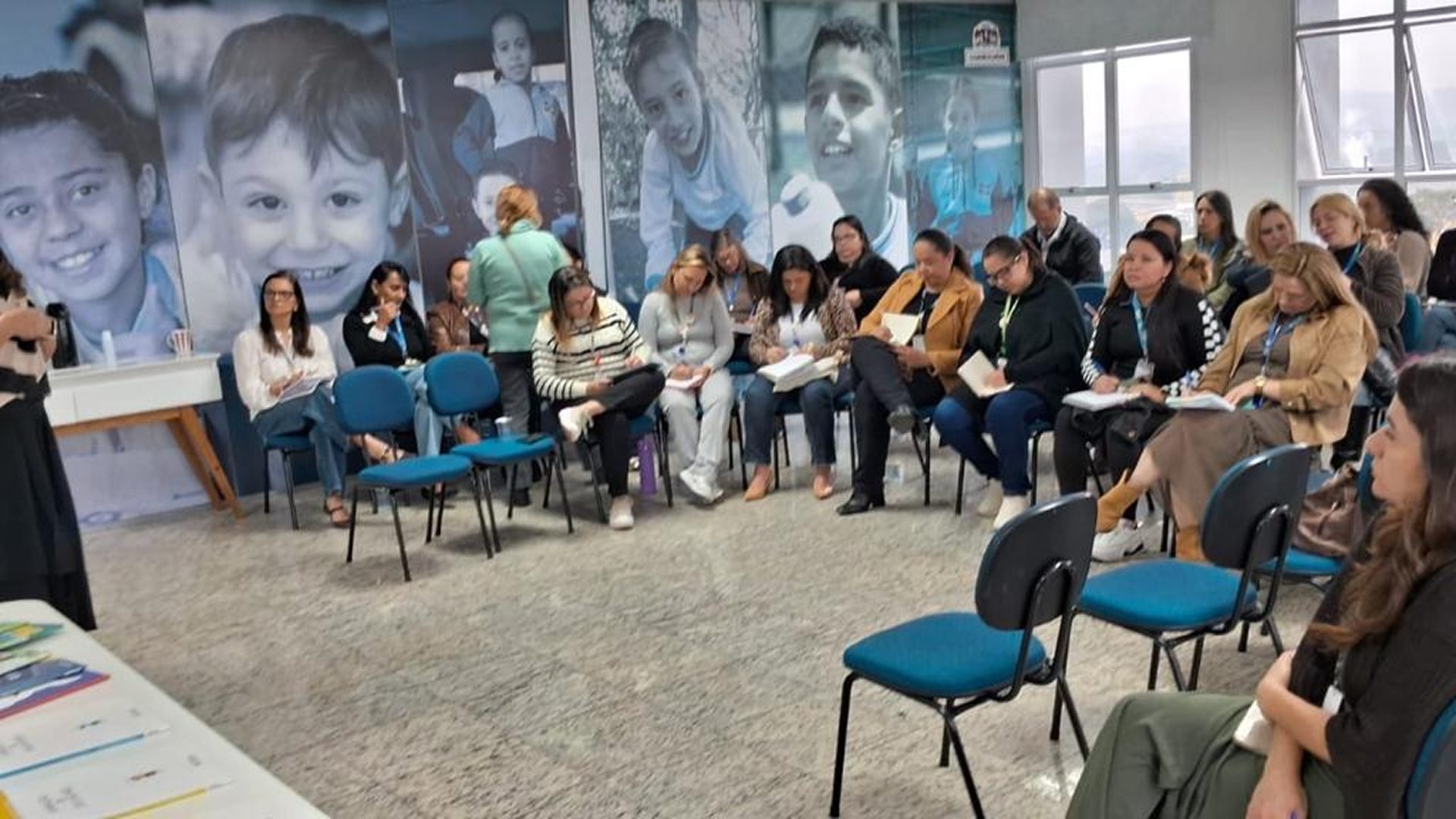
Labedu grew out of pedagogical practice and the question of how to ensure every child’s right to learn. This inquiry led us to broaden our perspective: for learning to occur consistently, the education system as a whole must be strengthened, placing pedagogy at the heart of decision-making.
We work to boost the capacity of education systems to drive transformations that reach the classroom and continue to multiply autonomously. We help school networks learn from their own experiences, make evidence-based decisions, and sustain improvements over time. Thus, when a partnership concludes, what remains is a system better equipped to continue refining its practices.
At Labedu, the classroom is both the starting point and the destination of our research. It is there that public policies and teacher training processes take concrete form and translate into learning for children. Our research tracks this journey: we investigate how policies are designed, how they reach schools, how teachers adopt and adapt them, and the effects they have on pedagogical practices.
It is during implementation that our research uncovers its most fruitful questions. We begin with specific projects to unravel obstacles and identify the drivers that foster their consolidation. By systematizing methods, sharing lessons learned, and producing reference materials, we create the conditions for other stakeholders to rigorously investigate their own policies as well.
The contexts in which we operate thus become spaces for generating empirical evidence that deepens the understanding of educational policies and helps inform decisions in other regions and institutions. We conduct research to produce knowledge that is relevant to public debate and useful to those involved in management and classroom teaching.
For Labedu, the implementation of educational policies is the stage where decisions made at various levels of the system take shape in the daily life of school networks—through management routines, professional development, and classroom practices.
We therefore value implementation as a structured space for both individual and systemic learning. We partner with departments of education to translate objectives and goals into actionable steps and incremental improvements, taking into account management priorities, local knowledge, administrative conditions, and the day-to-day reality of schools.
It is during implementation that research hypotheses confront real-world challenges and solutions devised by the networks themselves come to light. Our focus is on creating conditions that allow the network to adopt principles, methods, and monitoring practices that endure even after the partnership concludes.
At Labedu, monitoring supports implementation and integrates with continuous professional development processes, serving as a strategy to drive practical transformation and strengthen the capacity for continuous improvement within public education systems.
Over the past decade, we have established a developmental approach to monitoring—one intrinsically linked to educational practice rather than serving as a mechanism for external control or individual assessment. In this framework, monitoring is inseparable from professional development, as challenges are transformed into learning opportunities and avenues for change.
Furthermore, monitoring itself becomes a subject of professional development for the various stakeholders within the system. Technical teams, administrators, and teachers actively participate in generating, analyzing, and interpreting evidence, thereby developing analytical skills that enhance the education network’s capacity for self-learning.
Ongoing monitoring yields information that guides decision-making, refines processes, and fosters a culture of evaluation rooted in collaboration and shared responsibility.
Labedu’s advocacy is a direct expression of the interplay between research, implementation, and monitoring.
Our work generates robust evidence and insights regarding how educational policies are structured, how they evolve, and the impact they have on public education systems.
This experience forms the foundation of our engagement with administrators, researchers, and policymakers.
We translate this experience into structured materials—such as technical notes, studies, reports, and policy briefs—that organize evidence, detail methodologies, and provide a basis for decision-making.
By sharing processes, criteria, and tools, we improve the quality of diagnostics, guide policy design, and strengthen partnerships among public education systems, third-sector organizations, and researchers.
Our approach to advocacy is rooted in the conviction that evidence gathered at the school level elevates the quality of decision-making and helps build shared agendas in education policy.
Labedu’s methodologies are grounded in two interdependent pillars: knowledge regarding what children need to learn and knowledge regarding how adults develop professionally. From their inception, they are designed to guide implementation and monitoring, structuring and ensuring the consistency of professional development processes.
Focusing on structural challenges in education—particularly language development spanning early childhood through elementary education—our methodologies organize training into cyclical modules with targeted objectives and a clear understanding of the desired outcomes at each stage. This ensures predictability in the process without overlooking the specific contexts of the local communities.
The content incorporates strategic approaches that foster professional learning while driving tangible changes in practice, engaging directly with the day-to-day realities of classrooms and school management. In this way, the methodologies ensure that training drives achievable transformations—backed by support and supervision—while helping to build a collective commitment to improving education. They serve as the vehicle for delivering our initiatives to the front lines, translating pedagogical expertise and policy implementation strategies into concrete actions that extend from the regional and municipal levels down to individual schools and classrooms.
Every Child Can Learn
Our awareness-raising and mobilization methodology strengthens the educational role of family members of children aged 0 to 10, as well as the institutions that support them, positively impacting learning environments in their communities.

Language Learning
Recognizing that language development is crucial during early childhood, our training methodology for managers, coordinators, and teachers in public early childhood education systems helps ensure that all children aged 0 to 5 are able to use language to communicate, think, and learn throughout their lives.

Learning How to Study Texts
Our teacher training methodology for elementary education helps all students develop the ability to read and comprehend texts, acquiring the tools to learn how to think, analyze, interpret, form opinions, engage in dialogue, and navigate freely through the world of knowledge.