
DENTRO DA ESCOLA . 2022
Em 2022, lideramos mais uma experiência de implementação da metodologia de formação de educadores Aprender a Estudar Textos (AET), que convida professoras e professores de 4º e 5º anos do Ensino Fundamental a incorporarem um olhar para a linguagem dos textos como ferramenta para ensinar e aprender. O objetivo do AET é contribuir para que todos os estudantes desenvolvam os conhecimentos, habilidades e processos necessários à leitura e compreensão de textos, adquirindo ferramentas para aprender a pensar, analisar, interpretar, formar opinião, dialogar e transitar livremente pelo mundo do conhecimento.
Consciente de que após o ciclo de alfabetização os textos que circulam nas escolas se tornam cada vez mais difíceis para as crianças que estão se iniciando no propósito de “ler para aprender” sobre diferentes conteúdos disciplinares, o Laboratório de Educação apoia professoras e professores no estudo, planejamento e implementação de atividades centradas na leitura de textos didáticos em sala de aula, com vistas a favorecer a aprendizagem de conteúdos específicos, começando pela área de História. Com base nas estratégias e conteúdos formativos que compõem a metodologia Aprender a Estudar Textos, ajudamos a incorporar, na prática, propostas didáticas que que contribuam para desvendar, junto aos alunos, as várias camadas dos textos: não só “o que dizem” mas também “como dizem”. Fazemos isso pois sabemos que o mergulho nas características da linguagem dos textos pode ser um grande aliado para o aprofundamento dos diferentes conteúdos curriculares.Como todas as metodologias do Labedu, o Aprender a Estudar Textos tem um objetivo e dois focos: aprendizagem das crianças e a aprendizagem profissional dos educadores e educadoras. Por isso, durante o processo de implementação do projeto, são propostas situações formativas de análise, modelização, planejamento e reflexão sobre práticas e interações que possibilitam a apropriação de conhecimentos históricos e conhecimentos letrados pelos estudantes, proporcionando um campo de experiência novo onde as professoras possam ver seus alunos pensando, falando e compreendendo melhor o que leem.

Contexto de implementação do AET em 2022
A formação desenvolvida em Várzea Paulista ao longo de 2022 se deu a partir da realização de encontros presenciais, da implementação de atividades com as crianças em sala de aula pelos educadores e do registro e compartilhamento da prática docente. Nos encontros presenciais, buscou-se encadear um conjunto de estratégias formativas que se dividiram em dois blocos de conteúdos: um, relacionado ao estudo das características dos textos acadêmicos dos livros didáticos de História e, outro, associado à análise didática e planejamento de atividades a serem realizadas em sala de aula a fim de desenvolver as competências leitoras dos estudantes.
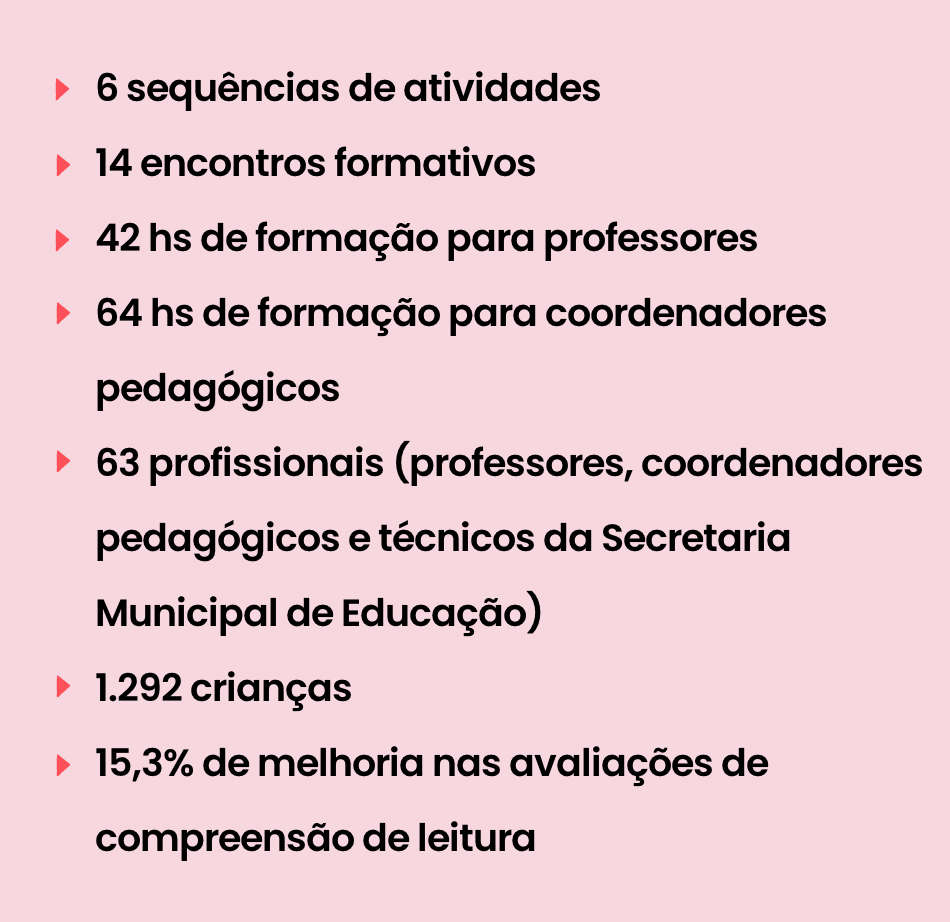
Entre abril e dezembro, foram realizados 14 encontros, somando mais de 40 horas de formação com professoras e professores. Ao todo, foram planejadas e realizadas seis sequências de atividades modelares junto às crianças, com apoio dos formadores do Laboratório de Educação. Dentro de uma perspectiva na qual entendemos o professor como sujeito do processo formativo, organizamos um percurso “em espiral”, baseado na ação-reflexão-ação, ao invés de uma proposta linear de emissão de informação, como costuma ocorrer nos cursos avulsos. Por isso, antes de implementar cada uma das propostas de atividades modelares, organizamos um recorte de estudo, análise e planejamento, permitindo um aprofundamento em como e por que:
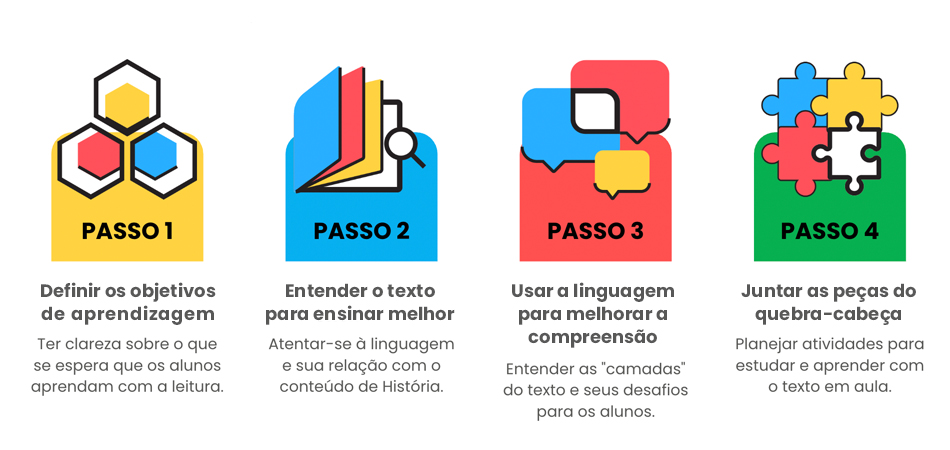
Além disso, a cada sequência de atividades, as professoras participantes elaboraram registros da prática para consolidar os conhecimentos pedagógicos desenvolvidos na formação.
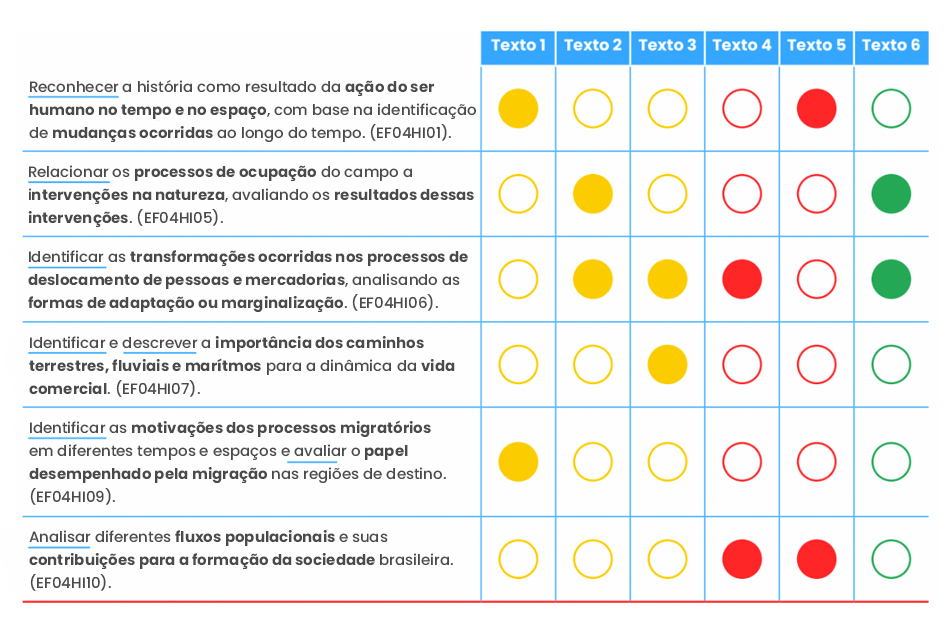
Os textos selecionados pelo time de especialistas do Laboratório de Educação têm consonância com a Base Nacional Comum Curricular (BNCC). No caso de Várzea Paulista, os seis textos previstos apresentam acontecimentos que recontam a história do Brasil desde a chegada dos portugueses, em 1500, até a descoberta das primeiras minas de ouro no interior do Brasil por volta de 1730. São todos textos curtos, de uma página, não apresentando mais do que seis parágrafos cada um, porém com grande complexidade e diversidade linguística. Vale destacar que os textos propostos no âmbito do projeto não são, de forma alguma, exaustivos ou suficientes para alcançar todas as expectativas de aprendizagem para o estudo de História no 4º ano. Além disso, os textos são importantes, mas não a única fonte de informação ou de experiências com esse objeto de conhecimento. Abaixo, observa-se como algumas habilidades da BNCC para o ensino de História aparecem contempladas no trabalho com os textos escolhidos para o trabalho com os estudantes:
O desafio
Sabendo que professoras e professores são peça-chave para enfrentar os desafios de leitura e compreensão, a formação buscou contribuir para uma mudança no olhar dos docentes, no jeito como aproximam as crianças dos textos, para que a mesma linguagem acadêmica que num primeiro momento afasta os alunos possa se transformar em uma alavanca na busca pelo conhecimento.
A formação começou com certa insegurança e até alguma desconfiança. Insegurança que passou pela novidade do conteúdo e desconfiança motivada por uma impressão de que ele seria muito complexo para ser tratado com os estudantes do 4º ano. No primeiro encontro que realizamos com o objetivo de apresentar o projeto, a fala de várias professoras repercutia essa impressão. Contribuía para isso o fato de que o início do projeto coincidiu com a volta às aulas presenciais após dois anos de ensino à distância por conta da pandemia de Covid-19. O quadro que as educadoras vislumbravam naquele momento era de muitos alunos que ainda não tinham consolidado o processo de alfabetização e a proposta de uma abordagem de leitura de textos acadêmicos parecia não ser a mais adequada.
No entanto, conforme as professoras foram ganhando domínio sobre o conteúdo da formação e foram vivenciando a prática de sala de aula, o debate foi se qualificando, elas foram se sentido agentes da reflexão em curso e trazendo contribuições para pensar o trabalho que se propunha. Por outro lado, as descobertas, produções e o engajamento das crianças também influenciaram na mudança de perspectiva das professoras.
Os formadores do projeto AET identificaram e registraram comentários e falas das professoras que evidenciam conquistas das crianças no decorrer da implementação das atividades das sequências didáticas. Dentre as conquistas destacam-se:
- as aprendizagens percebidas pelas professoras nas conversas das crianças em momentos fora da aula (intervalo, transporte, entre outros);
- a repercussão do projeto em outras disciplinas da escola, seja sobre os temas de história ou linguagem;
- a citação de falas das crianças e situações que evidenciam compreensões sobre a história e ampliação da linguagem.
Nesse sentido, ao final, as professoras reconheceram na formação uma oportunidade de transformação e qualificação do trabalho de leitura e estudo de textos acadêmicos no ciclo em que atuam. Ao mesmo tempo, várias professoras passaram a perceber que suas conquistas também contribuíam de forma importante para que os estudantes pudessem aprender com a leitura de textos também em outras disciplinas.


Resultados
Análise da aprendizagem docente
A reflexão individual e coletiva sobre a prática profissional foi o elo proposto pelo AET para fazer acontecer o ciclo virtuoso da relação entre conhecimento aprendido na formação e ação em sala de aula. Para isto, os participantes do processo formativo fizeram registros de suas práticas e os compartilharam junto a comentários e reflexões em um mural virtual colaborativo. A partir desses registros, analisamos as reflexões sobre a prática compartilhada.
A análise destes resultados forneceu evidência dos ganhos do processo formativo, revelado não tanto pela explícita valoração positiva realizada pelos participantes, como pelas reflexões que colocam em primeiro lugar aspectos próprios das práticas de ensino de qualidade. Entre os assuntos mais citados houve destaque para:
- a participação ativa dos alunos (ensino centrado no trabalho ativo dos aprendizes);
- o papel das perguntas e processos de indagação (ensino baseado no desenvolvimento de processos de indagação);
- a relação entre as discussões temáticas e os processos de construção de significado por parte dos aprendizes (ensino dialógico);
- o caráter desafiante das atividades implementadas (atividades de ensino cognitivamente desafiantes).
A análise dos registros das professoras salientou também a importância da formação continuada ao modo da constituição de comunidades de aprendizagem e de prática, processos que facilitaram a socialização de experiências, conhecimentos e ideias em ambientes colaborativos e seguros, com foco em auxiliar o/a professor/a a ajudar seus alunos a aprender. Ficou clara a importância de continuarmos a criar e cuidar desse tipo de estratégias na formação continuada de educadores.
Avaliação de impacto
Para verificar os resultados da ação formativa no processo de aprendizagem das crianças, nossos parceiros do Lepes (Laboratório de Estudos e Pesquisas em Economia Social) realizaram uma pesquisa quase-experimental de avaliação de impacto. Para isso, foram coletados dados, tanto em Várzea Paulista quanto em uma rede de ensino vizinha, localizada na região metropolitana de São Paulo, com características sociodemográficas e índices educacionais similares ao município participante. O levantamento e análise de dados tinha a intenção de constatar em que medida o trabalho que o Laboratório de Educação faz em torno da linguagem acadêmica contribui não só para ampliar o repertório linguístico das crianças, mas também – ou não – para o desenvolvimento de outros conhecimentos e habilidades relacionados à compreensão de leitura.
A pesquisa contemplou mais de 2.000 alunos do 4º ano do Ensino Fundamental destes dois municípios, com o objetivo de mapear as aprendizagens das crianças e corroborar os avanços promovidos pela formação. Foram aplicadas duas provas de leitura, validadas internacionalmente, no início e ao final do ano. Comparativamente ao outro município, as crianças de Várzea Paulista tiveram um maior aumento em seu desempenho do que as que não participaram do projeto: 6,6% em uma das provas e 15,3% na outra. Esse resultado sugere que ao valorizarmos professoras/es e contribuirmos com uma formação que realmente conversa com os desafios da sala de aula, vemos resultados na aprendizagem das crianças.
Além disso, os resultados nos mostram que o impacto foi ainda maior nas crianças que tiveram as menores notas no início do ano. Ou seja, as crianças que no início do ano tiveram pontuações mais baixas, com a ação do projeto tiveram um aumento ainda maior no desempenho, o que significa que foi possível incluir as crianças que precisavam de mais apoio no processo de aprendizagem. Não podemos deixar de considerar que esse tópico converge com o momento de retorno da pandemia. As crianças que fizeram parte do contexto de implementação do projeto foram as mesmas que passaram o 2º e 3º ano em ensino remoto.
A implementação do projeto beneficiou todos os alunos e professores do 4º ano da rede municipal de Várzea Paulista, bem como garantiu o fortalecimento da estrutura de formação continuada da rede. No contexto de implementação 2022, pela primeira vez na trajetória do projeto os Coordenadores pedagógicos (CPs) foram incluídos de forma intencional no processo. O objetivo foi dar condições para que esses profissionais pudessem auxiliar professoras/es na implementação das atividades em sala de aula, incorporando estratégias como a observação da prática em sala de aula e elaboração de registros. Essa inclusão permitiu fomentar reflexões sobre a cultura de formação continuada que existe na rede municipal, bem como sobre a organização do tempo dos profissionais da cadeia de ensino. Nesse sentido, buscou-se fortalecer o papel que o CP ocupa e pode vir a ocupar como formador de educadores dentro do sistema.