DENTRO DA ESCOLA . 2023
Em 2023 demos início à nova fase do programa Aprender: Dentro e Fora da Escola. Entre os anos de 2019 e 2022, realizamos a primeira fase do projeto, com a implementação de formação continuada de profissionais da Educação Infantil em cinco municípios da região do Médio Mearim, no estado do Maranhão. Os resultados bem-sucedidos da etapa permitiram a escalabilidade das ações formativas através do Pacto pela Aprendizagem, programa liderado pela Secretaria de Educação do estado (Seduc/MA), ampliando o alcance do projeto para as redes de Educação Infantil dos mais de 200 municípios maranhenses.
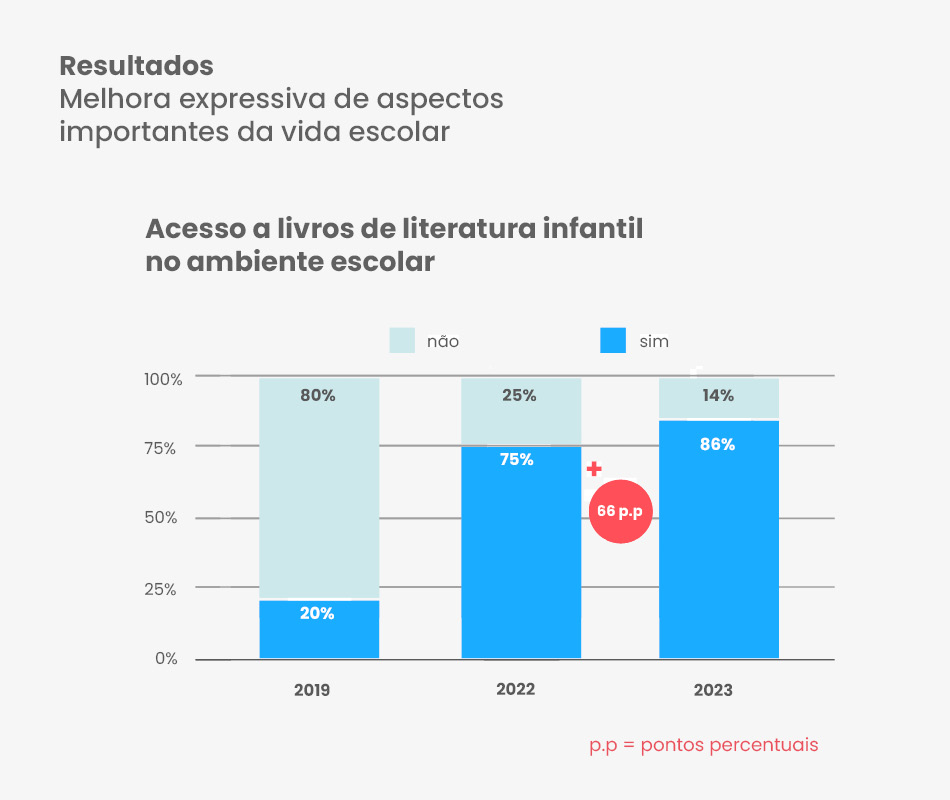
Com isso, saltamos de cerca de 5.600 pessoas impactadas para mais de 330 mil. Um exemplo nítido dos efeitos positivos desses esforços é o aumento expressivo do acesso a livros de literatura infantil nas escolas de Educação Infantil. Em 2019, ano de início do projeto, apenas 20% das escolas que atendem à etapa tinham materiais ou espaços dedicados à literatura. Em 2023, isso já era realidade para 86%.
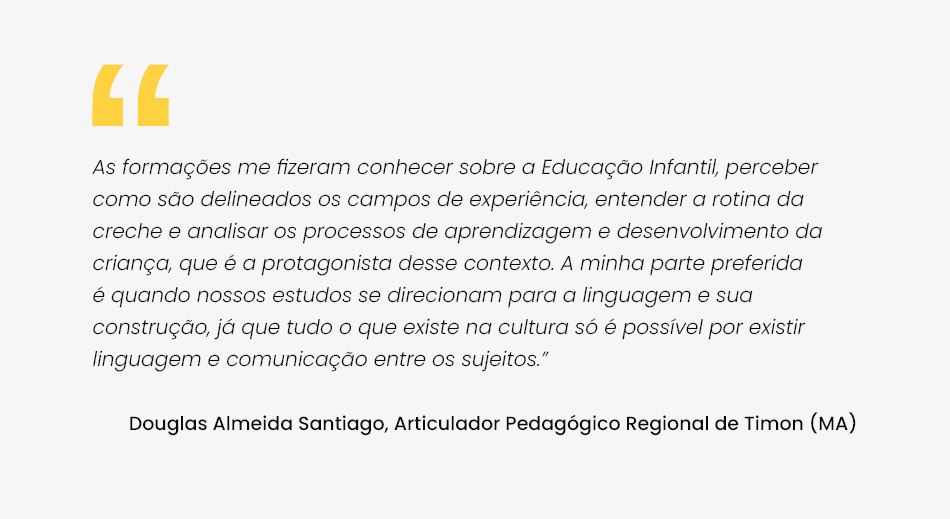
A segunda fase do programa marcou também a consolidação do projeto enquanto política pública de formação continuada para docentes, a partir da sua incorporação no Pacto Pela Aprendizagem. O regime de colaboração – que estrutura o compartilhamento de responsabilidades, recursos e esforços entre estado e municípios para a implementação de políticas públicas -, sai do papel para o dia a dia do planejamento e execução das atividades, e permite resultados consistentes de longo prazo, que têm o potencial de atravessar diferentes gestões.
Na prática
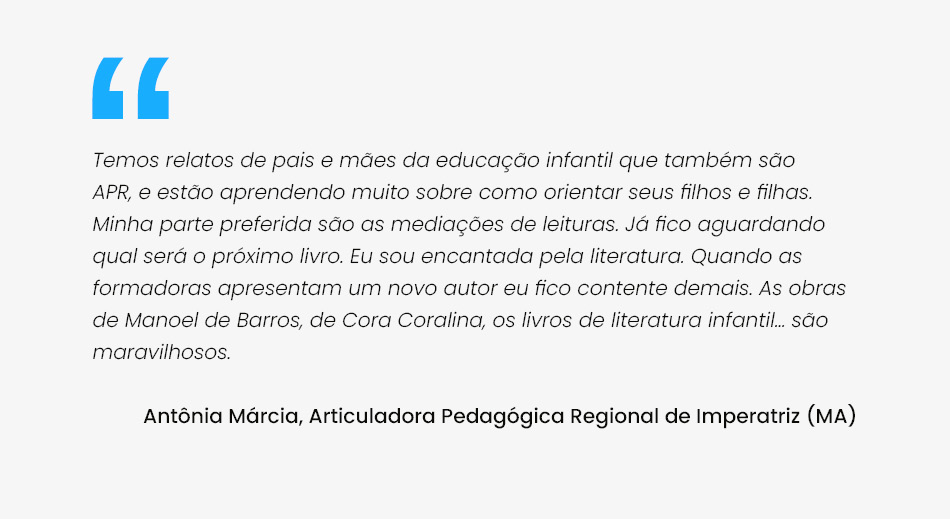
As formações realizadas pela equipe do Labedu em 2023 tiveram foco em professores de crianças de 4 a 5 anos e gestores da Educação Infantil. As atividades são alicerçadas na metodologia desenvolvida internamente pelo Laboratório, que preconiza o uso de um conjunto diverso de textos literários que promovem a vivência do mundo da leitura e da escrita com conhecimentos significativos do cotidiano das crianças, e de acordo com sua faixa etária. O objetivo das formações é que a rotina das escolas comporte e valorize ambientes propícios à interação com os textos, como por exemplo a exposição de livros em sala de aula, murais para expor textos conhecidos pelas crianças, como músicas, poesias e parlendas, e também suas escritas espontâneas e produções artísticas.
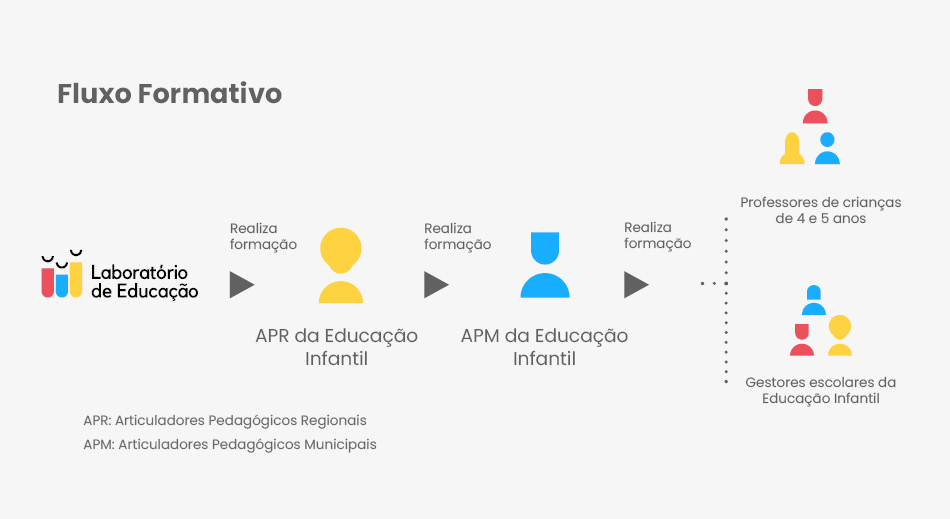
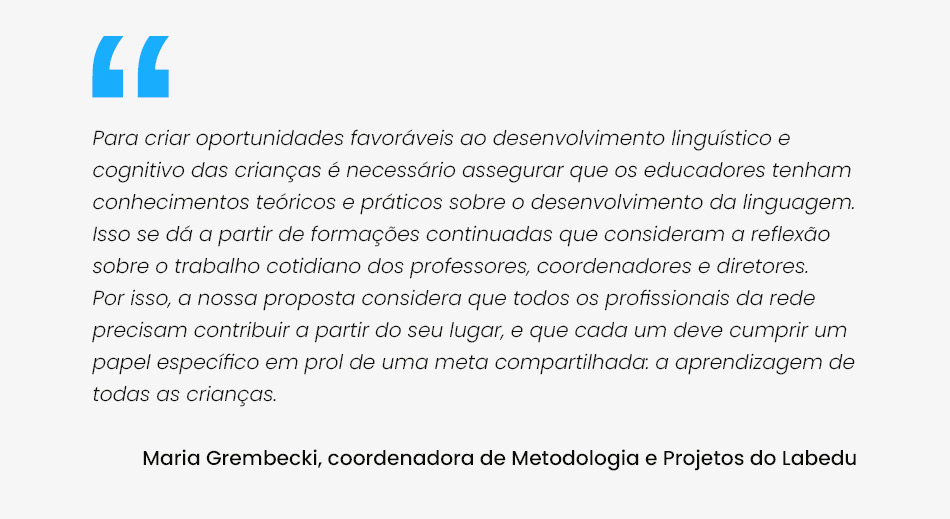
As formações partem de nossa equipe técnica para os Articuladores Pedagógicos Regionais (APR), que serão responsáveis pela formação supervisionada dos Articuladores Pedagógicos Municipais (APM), que, por sua, vez, levarão o conjunto de ferramentas e habilidades diretamente para as equipes docentes das escolas, que trabalharão a metodologia em sala de aula. Esse processo de disseminação do conhecimento capacita uma rede de profissionais engajados com a melhora da qualidade da Educação, e fortalece as estruturas das secretarias, que melhoram o desenvolvimento de suas capacidades. As crianças aprendem mais, e toda a rede de ensino é beneficiada.
Monitoramento e avaliação
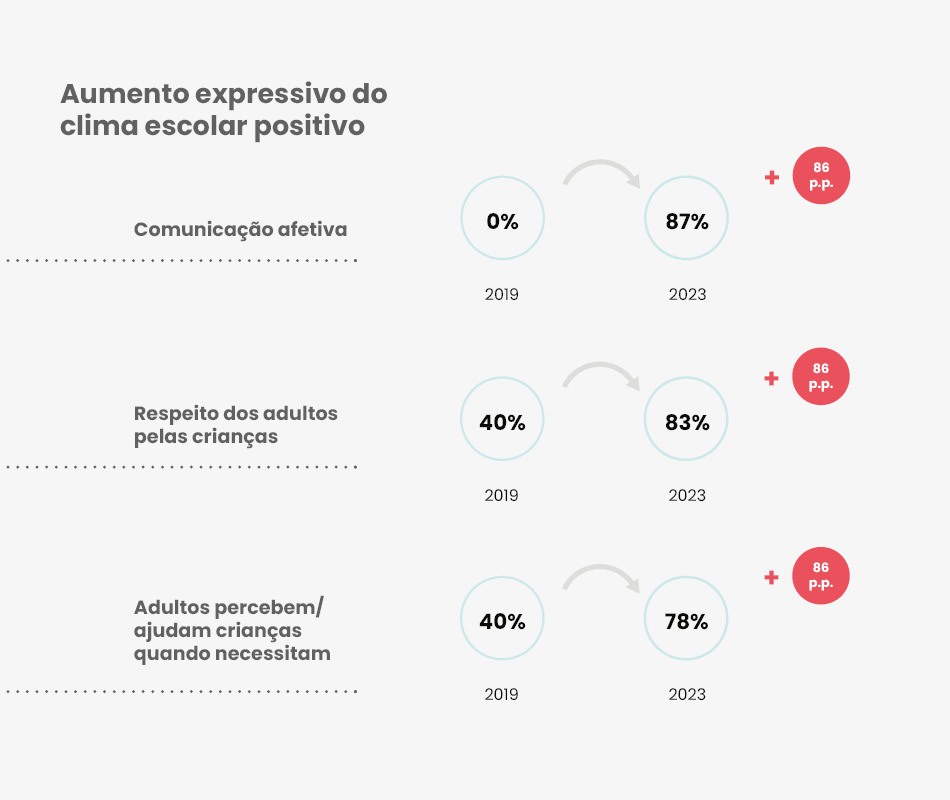
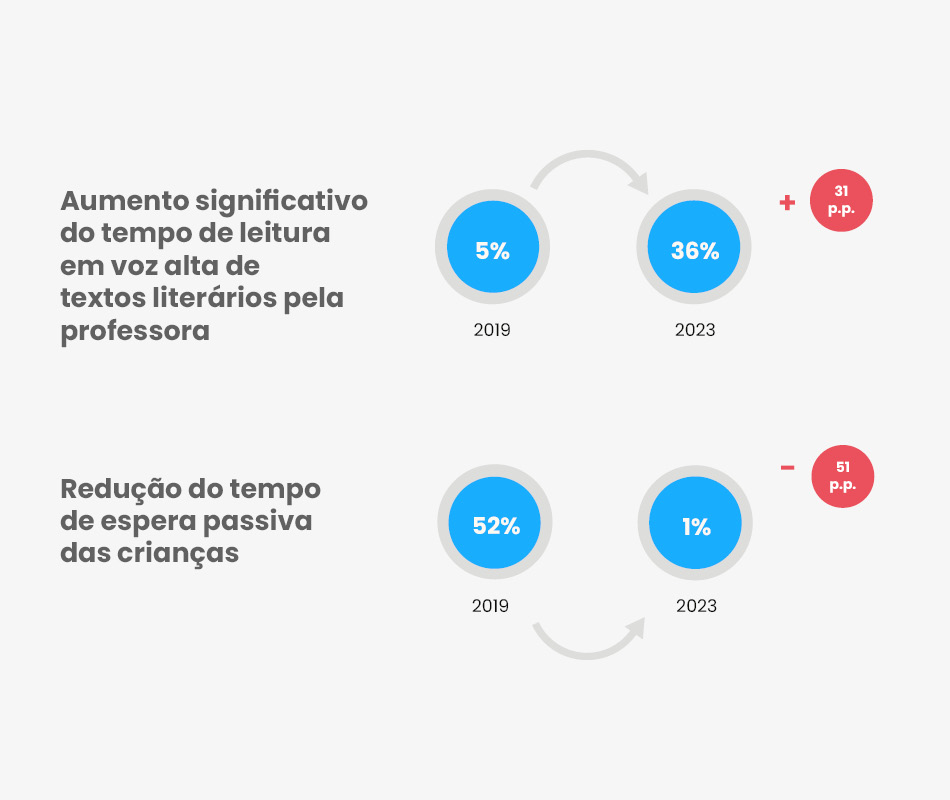
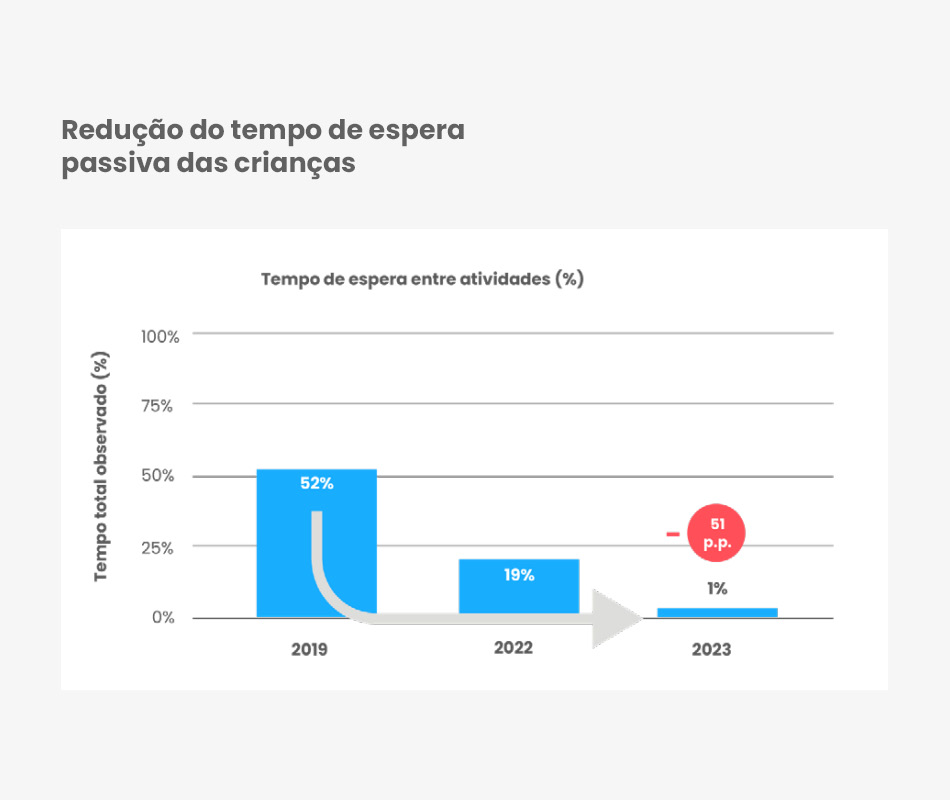
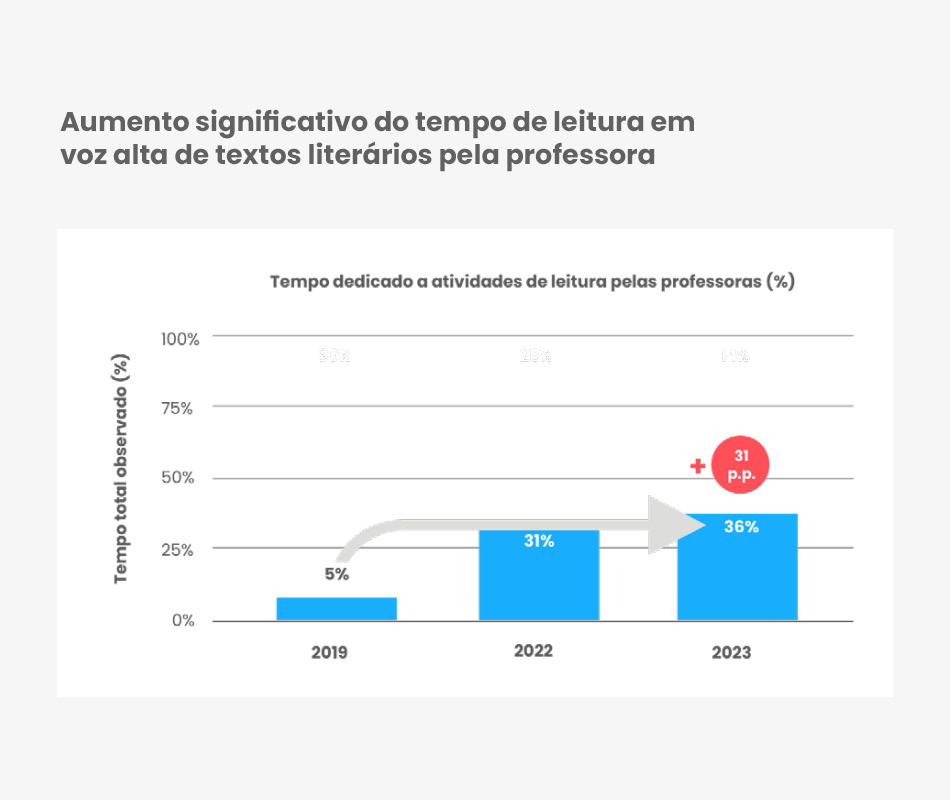
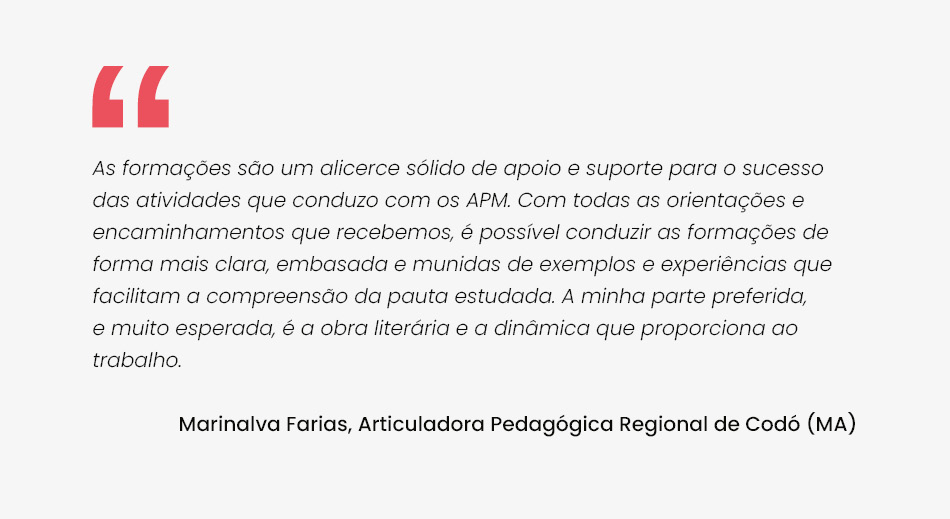
O acompanhamento sistemático das ações formativas realizadas pelo projeto dentro do Pacto é um aspecto importante, garantindo que elas estejam alinhadas com as necessidades locais daquele momento. Para isso, utilizamos roteiros de observação em sala de aula, no espaço escolar e na formação de educadores, além de questionários de práticas. Em 2023, mais dois municípios foram incluídos no plano de monitoramento, totalizando sete.
Assim, criam-se condições para o acompanhamento em longo prazo das ações, uma vez que todas as informações são compartilhadas com a Seduc. Isso permite que o monitoramento e a avaliação componham um ciclo virtuoso que retroalimenta o sistema com os insumos gerados pelas observações, ajustes realizados durante o processo e envolvimento de um conjunto amplo de atores.
Resultados